Hinduism is a religion.
While Hindutva is a political and cultural ideology that seeks to define Indian identity primarily in terms of Hindu culture and religion. Thus, Hindutva does not just refer ...
Firstly:
Hinduism is a religion.
While Hindutva is a political and cultural ideology
that seeks to define Indian identity primarily in terms of Hindu
culture and religion. Thus, Hindutva does not just
refer to religious Hinduism, but rather to a political-cultural
ideology that sees India as fundamentally a Hindu nation. Hindutva is
just like "Political Islam". Both of them are not seen as peaceful
movements.
Secondly:
Hindutva supporters assert that Vedic (Hindu) gods created the
universe and then mankind, completely rejecting the theory of human
evolution, just as many traditional religions across the world tend to
do. However, scientific and archaeological evidence paints a very
different picture, one grounded in facts, not faith.
Thirdly:
Despite popular beliefs, Hinduism in its recognizable Vedic form
does not predate 3,500–4,000 years. The earliest
elements of what we now call Hinduism were introduced by Indo-Aryan
migrants who came into the Indian subcontinent from the
Pontic-Caspian Steppe (present-day Ukraine, Russia, and
Kazakhstan). These people brought with them:
The Sanskrit language, the root of many modern
Indian languages;
The Vedas, foundational religious texts of
Hinduism;
And other cultural elements that shaped early Indian
civilisation.
Yet, modern Hindutva ideology denies this migration
theory entirely. Instead, it promotes the "Out of
India" theory (OIT), which falsely claims that Aryans were
native to India and later spread outward to Europe. However, this view
is not supported by mainstream scholarship or genetic science.
Fourthly:
Archaeologists and historians agree that there is no trace of
Vedic religion, Hindu deities, Sanskrit language, or temple
worship in the Indian subcontinent before 1500 BCE.
No temples or idols of Hindu gods
No inscriptions or artifacts related to any sign of
Hinduism
And even not a singlecave paintings of anything
related to Hinduism
All point to the same conclusion: Hinduism did not exist in India
prior to the arrival of Indo-Aryans.
Fifthly:
The Indus Valley Civilization (IVC)—which thrived
between 2600 and 1900 BCE in parts of present-day Pakistan and northwest
India—was a remarkably advanced urban culture. Cities like
Harappa and Mohenjo-daro featured
complex drainage systems, granaries, and written scripts.
However, none of the artifacts recovered from IVC sites show any
connection to later Hindu beliefs:
No Vedas
No images of Hindu gods like Shiva, Vishnu, or
Brahma
No Sanskrit
No temples
This clearly indicates that the Indus Valley Civilization and
Hinduism were two separate cultural phases. The former declined
around 1900 BCE, while the latter only emerged with the migration of
Aryan peoples later.
Sixthly:
Genetic studies have added a critical layer of evidence to the Aryan
migration theory:
Indus Valley DNA shows no Aryan
ancestry, suggesting a complete absence of Steppe genetic
influence.
In contrast, modern North Indian high-caste
populations show clear signs of Steppe (Aryan) DNA,
especially in male Y-chromosomes (i.e. only male Aryans invaded and
migrated towards India).
This pattern suggests a historical scenario where Aryan males
entered India, possibly as warrior elites, and interbred with
the local population, shaping the gene pool and religious culture over
generations.
Seventhly:
One of the most telling archaeological markers of Aryan influence is
the horse:
No remains of horses or horse-drawn chariots
have been found in India before 1500 BCE.
There are no cave paintings or depictions of
horses in pre-Aryan Indian art.
The Rigveda, written by Indo-Aryans, includes
frequent references to horses and chariots—symbols of their mobility and
warfare.
These facts align perfectly with a post-IVC migration
scenario, in which Indo-Aryans brought new technologies and
animals previously unknown in the region.
Eightly:
The Rigveda, the oldest Hindu scripture, contains references to
geographic regions and conflicts that are consistent with a migration
narrative. These texts mention rivers, landscapes, and enemies that
match regions west of India, further strengthening the case for Aryan
migration into the subcontinent.
Conclusion:
Scientific evidence from archaeology,
genetics, and linguistics clearly
supports the idea that Hinduism, as we know it today, was not an
indigenous or eternal faith, but rather a product of
migration, cultural fusion, and evolution over time.
The belief that Hindu gods created the world and mankind is not
supported by any historical or scientific evidence. Instead,
Hinduism—like all religions—has a human origin rooted in a specific
time, place, and set of historical circumstances.
Hindutva followers claim that the Vedic gods were the oldest deities
who created the world and that the Vedic civilization was the most
ancient, known for its superior craftsmanship. However, if this were
true, why do depictions of Vedic gods not predate 3500 years, while
numerous other paintings and statues from different civilizations, much
older than 3500 years, have survived?
Despite these claims, there is no evidence of
Hinduism in India that is older than 3500 years. No
Hindu temples, sculptures of Hindu gods, cave paintings, or any
other archaeological proof exist from before this period.
The history of cave paintings in India or rock art range from
drawings and paintings from prehistoric times, beginning around 30,000
BCE in the caves of Central India, typified by those at the Bhimbetka
rock shelters.
There are tons of such cave paintings etc. are present (which are
older than 3500 years), but absolutely no proof of Vedic culture is
present.
Indus
Valley Civilization & DNA Evidence
DNA Analysis of Indus Valley Civilization
(IVC):
A 2019 genetic study (link)
analyzed the DNA of a Harappan woman from Rakhigarhi, one of the largest
cities of the Indus Valley Civilization.
The results showed no traces of Aryan (Steppe) DNA
in the Harappan population, meaning the people of IVC had no genetic
link to the later Aryan arrivals.
Genetic Shift in Modern Indians:
In contrast, present-day Indians have about 10% to 20% Aryan
(Steppe) DNA (link).
This suggests a significant genetic transformation after the decline
of the Indus Valley Civilization.
The Aryan Migration/Invasion Theory:
Scientists explain this genetic shift as the result of
Aryans migrating/invading from the Russian Steppe,
leading to the collapse of the IVC around 4000 years ago (Reference: livescience.com{.ml-1 .inline-flex .h-[22px]
.items-center .rounded-xl .bg-[#f4f4f4] .px-2 .text-[0.5em] .font-medium
.text-token-text-secondary .dark:bg-token-main-surface-secondary
.relative .top-[-0.094rem] .!text-token-text-secondary .uppercase
.hover:bg-token-text-primary .hover:!text-token-main-surface-secondary
.dark:hover:bg-token-text-primary .group target=“_blank”
rel=“noopener”}).
DNA studies confirm that only Aryan males migrated to
India—no Steppe-origin women were found in the genetic pool.
This means, as conquerors, Aryan males had privileged
access to local women, while indigenous men were marginalized. This led
to a significant presence of Steppe male DNA in modern
Indians, while the maternal lineage remained indigenous. This
genetic evidence strongly supports the theory that Aryans
arrived in India after the decline of the Indus Valley
Civilization, reshaping its
demographics and cultural landscape.
No
Hindu gods were found in Harappa or Mohenjo-Daro Archeaological
Sites
Although Hindutva followers claim that Indus Valley Civilization was
a Vedic Society, but they have not even a single proof to back up this
claim.
Absence of Hindu gods in the Indus Valley Civilization
(IVC)
Thousands of toys, seals, and idols were discovered in Harapa or
Mohenjo-Daro achaeological sites, however, not a single statues or
depictions of Hindu gods were found.
Lack of Hindu temples in the IVC
While many houses were found in the IVC, not a single Hindu temple
has been discovered in Harappa or across the entire Indus Valley.
Actually, the oldest Hindu temple (all across the Indian
Subcontinent), that has been found is the Mundeshwari
Temple, located in Kaimur district of Bihar, India. It is
believed to date back to 108 CE, making it only
about 1,900 years old.
Similarly, the oldest known statue of a Hindu or Vedic deity
(across all over India) is the Shiva
Lingam found at Gudimallam, Andhra Pradesh,
India. This Shiva Lingam dates back to
the 3rd–2nd century BCE (around 2000 years old) and is
considered one of the earliest representations of a Hindu deity.
The
Pashupati Seal: A Critical Examination
The Pashupati Seal, discovered in the Indus
Valley Civilization, has sparked significant debate among
historians, archaeologists, and religious groups. While
some Hindutva followers claim it as evidence
of Vedic or Hindu religion in the Indus Valley, a
closer examination reveals that these claims are speculative and lack
solid evidence. Let’s break down the arguments and analyze them
critically.
What is the
Pashupati Seal?
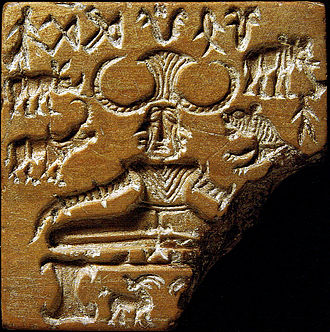
The Pashupati Seal is a small
steatite seal excavated from Mohenjo-Daro, a major site
of the Indus Valley Civilization (circa 2600–1900 BCE). It depicts a
figure seated in a cross-legged posture, surrounded by animals such as
elephants, tigers, and buffaloes. Some scholars have interpreted this
figure as a proto-Shiva, specifically in
his Pashupati (Lord of Animals) form. However, this
interpretation is not universally accepted and remains a subject of
debate.
Hindutva Claims
About the Pashupati Seal
Animals and Shiva’s Association:
Hindutva supporters argue that the presence of animals on the seal
aligns with Shiva’s role as the Lord of Animals
(Pashupati). They claim this similarity proves the figure is
Shiva.
Yogic Posture:
They also point out that the figure is seated in a posture
resembling Yoga, and since Shiva is considered
the master of Yoga, this further supports their
claim.
Our Response to
These Claims
Lack of Repetition:
Thousands of seals and artifacts have been unearthed from the Indus
Valley, but only one—the Pashupati Seal—shows a figure
resembling Shiva. If Shiva were a central deity of the Indus Valley
people, we would expect to find multiple depictions of
him across various artifacts. The absence of such evidence weakens the
claim.
No Direct Link to Shiva:
!(https://ii1.pepperfry.com/media/catalog/product/b/r/1100x1210/brown-polyresin-and-bronze-lord-shiva-padmasana-idol-by-ecraftindia-brown-polyresin-and-bronze-lord–y9dqdr.jpg){.float-end
width=“230” height=“253” style=“display: block; margin-left: auto;
margin-right: auto;”}The figure on the seal bears no resemblance to
later depictions of Shiva in Hindu iconography. For
example, Shiva is typically shown with specific attributes like
a trident (trishul), a crescent moon,
or a serpent, none of which appear on the seal. The
identification of the figure as Shiva is based solely on the presence of
animals, which is not conclusive evidence.
Speculative Interpretation:
The idea that the figure represents Shiva is
a hypothesis, not a proven fact. Scholars have proposed
other interpretations, such as the figure being
a shaman, a proto-yogi, or
a local deity unrelated to Hinduism. Without deciphered
Indus Valley scripts, these interpretations remain speculative.
Yoga in the Indus Valley:
There is no guarantee that the figure is sitting in a Yogic
posture. If the Indus Valley people practiced Yoga, we would
expect to find multiple seals or artifacts depicting
similar postures. However, no such evidence exists. The Pashupati Seal
stands alone, making it an unreliable basis for claiming the presence of
Yoga in the Indus Valley.
Comparison with
Celtic God Cernunnos
!(https://upload.wikimedia.org/wikipedia/commons/thumb/8/86/Gundestrupkedlen-00054%28cropped%29.jpg/450px-Gundestrupkedlen-00054%28cropped%29.jpg){.float-end
border=“0” width=“350” height=“238” style=“display: block; margin-left:
auto; margin-right: auto;”}Interestingly, the figure on the Pashupati
Seal bears a stronger resemblance to the Celtic god
Cernunnos than to Lord Shiva. Cernunnos, a
deity from Celtic mythology, is depicted with horns,
surrounded by animals, and seated in a posture similar to the Pashupati
Seal. He is associated with fertility, prosperity, and the Lord
of Animals, much like the figure on the seal.
In contrast, Lord Shiva in Hindu iconography is
never depicted with horns, and his Yogic postures differ significantly
from the figure on the seal. This raises questions about the validity of
linking the Pashupati Seal to Shiva.
Thus, the Pashupati Seal is an intriguing artifact,
but it cannot be considered definitive proof of the presence
of Hinduism or Vedic religion in the
Indus Valley Civilization. The claim that it depicts Shiva is based on
conjecture rather than concrete evidence. To assert that the Indus
Valley people followed Hinduism based on this single seal is an
overreach.
Present Indian population is a mixture of 3 ancestral groups:
Ancient Ancestral South Indians
The people of the Indus Valley Civilisation
People who migrated from the Pontic Steppe (commonly known as
Aryans).
None of these three groups exist today but it is their mixing that
caused most of the modern Indian population to be formed.
Of these, the Ancient Ancestral South Indians were present across
parts of the subcontinent that did not fall under the Indus Valley
Civilisation. Their closest modern-day relatives are the tribes of the
Andaman Islands.
Of these, the Indus Valley had no Steppe DNA. They mainly had a
mixture of Iranian-farmer-related DNA as well as some DNA from Ancient
Ancestral South Indians. In 2019, a latest research study came out
about the DNA sequencing of a woman from Indus Valley civilisation. Here is
the link to this study (link). This proves that Aryan
Invasion happened after the Indus Valley Civilisation had already been
destroyed some 4000 years ago.
Of these, the 3rd group, the Steppe population came in from
grasslands in Eastern Europe corresponding to modern-day Ukraine, Russia
and Kazakhstan. The genetic research identifies that this Steppe
ancestry burst into India during a “narrow time window” dated between
2,000 BC and 1,500 BC.
The impact of Yamnaya
steppe pastoralists
On 6th September 2019, a scientific study was published at Science
(link) by Dr. Reich's and his team. Theytook
a macro view, analysing genetic data from 523 ancient people spanning
8,000 years across Central and South Asia right up to the European
Steppe – the largest study of ancient human DNA.
The spread of the Steppe pastoralists and their descendants across
ancient Eurasia. The Steppe population is identified here using the name
Yamnaya which refers to an ancient archaeological culture on the Pontic
Steppe. It is the Yamnaya people who spoke the a language which was the
ancestor of every Indo-European language in existence today, be it
Bhojpuri or Welsh. The arrows show plausible routes while the years
refer to rough estimates of when the Yamnaya and their descendants
arrived in a place. Source: The formation of human populations in South
and Central Asia.
Once these Steppe people entered India, a great churning ensued. They
mixed with the Indus Valley people to create what is now called the
Ancestral North Indian grouping. However, a significant portion of the
people of the Indus Valley Civilisation were pushed south when the
Steppe people entered. They then mixed with the Ancient Ancestral South
Indians to form a group known as the Ancestral South Indian
population.
For the next 2,000 years, Indians mixed freely. As a
result, most modern South Asians are some mix of Ancestral North Indian
and Ancestral South Indian. However, this great churning stopped around
1,900 years ago when Indian society calcified into thousands of endogamous
groups who do not intermarry across caste lines – a societal
structure maintained
till today.
In South Asia, the Indo-European language family bought in by the
Steppe people forked to give rise to the Indo-Aryan daughter branch. The
first Indo-Aryan language in South Asia was Vedic Sanskrit, the language
of the Rig Veda.
Much of this Steppe ancestry is male, the research shows. This means
that Steppe migrants “were more successful at competing for local mates than
men from the local groups” – which tells us something about the
aggressive nature of Indo-Aryan migration into India.
The Science paper concludes that there was an “asymmetric
social interaction between descendants of Steppe pastoralists and
peoples of the Indus Periphery Cline [Indus Valley Civilisation]”.
In simpler language, David Reich explains that the
preponderence of male Steppe DNA means that this encounter between the
Steppe pastoralists and the people of the Indus Valley Civilisation
“cannot have been entirely friendly”.
This male bias is standard for Indo-European migration. In fact, when
these Steppe pastoralists reached Europe, Reich’s research found an even
larger proportion of male Steppe genes. In large parts of Western
Europe, Steppe migrants almost completely displaced local males in a
short time span, leading to one Danish archeologist postulating that the
coming of these Indo-European speakers “must have been a kind of
genocide”.
This pattern, wrote David Reich in his 2018 book Who We Are and
How We Got Here, “is exactly what one would expect from an
Indo-European-speaking people taking the reins of political and social
power 4,000 years ago and mixing with the local peoples in a stratified
society, with males from the groups in power having more success in
finding mates than those from the disenfranchised groups”.
This ancient encounter is, incredibly, reflected even in the
present-day Hindu caste system, with Steppe
DNAcorrelated with upper-caste
status. “Groups that view themselves as being of
traditionally priestly status, including Brahmins who are traditional
custodians of liturgical texts in the early Indo-European language
Sanskrit, tend (with exceptions) to have more Steppe ancestry than
expected on the basis of ANI-ASI mixture,“ says the
research in Science.
Please also read this scientific
study of 2017, which explains more about the DNA of Indian
population and it's link to the steppe, and how it were only the Male
warriors of the steppe who mainly invaded India.
Hindutva movement (backed by BJP Government) protested against these
modern scientific findings a lot, and caused a lot of problems for
Dr. Reich's Team to publish these findings. You can read the details here.
Hindutva
Claims About the Sunken City of Dwarka
Hindutva supporters often claim that the sunken city of Dwarka is
proof of an 8,000-year-old Hindu civilization. They
argue that Hindu religious scriptures describe Dwarka as the city of
Krishna and that modern underwater discoveries confirm these ancient
texts. Some even provide so-called “neutral sources” and documentaries
to support their claims.
But let’s take a step back and examine the facts.
What Have
Archaeologists Actually
Found?!(https://web.archive.org/web/20220519062406/https://mahabharata-research.com/____impro/1/onewebmedia/dwarka-underwater-city.jpg?etag=W%2F%2210b8d-59abf135%22&sourceContentType=image%2Fjpeg&ignoreAspectRatio&resize=750%2B498&extract=0%2B0%2B564%2B498&quality=85){.float-end
width=“272” height=“240”}
So far, not a single Hindu god, temple, or artifact linked
to Hinduism has been discovered in Dwarka.
The Mahabharata describes Dwarka as a city with
900,000 royal
palaces made of crystal and
silver, decorated with emeralds.
The city supposedly had grand roads, marketplaces, assembly
houses, and temples.
But when archaeologists investigated, what did they actually
find?
A few underwater stones. That’s it.No crystal, no silver, no
emeralds, but just some scattered ruins, like many other
sunken settlements across the world.
So where is the evidence that this was the
mythical Dwarka described in Hindu scriptures? The
truth is, Hindutva narratives rely more on religious mythology than real
archaeology.
Hindutva's False
Propaganda About Dwarka's Underwater Ruins
Be cautious of Hindutva's misleading claims about the so-called grand
underwater ruins of Dwarka. They have been circulating fake images on
such a massive scale that it has become difficult for an average person
to find accurate information online.
In reality, no grand structures have been discovered. Only a few
scattered underwater stones have been found, as shown in this BBC
report (video).
Furthermore, these deceptive images have been fact-checked by
the Times
of India (link), confirming that they are false.
This isn’t the first time Hindutva has tried to twist history to fit
its agenda. When no historical evidence supports their claims, they
either:
Stretch the truth by misinterpreting findings.
Use religious texts as "historical records" instead
of actual archaeology.
Cherry-pick vague discoveries and ignore
contradicting evidence.
The bottom line? The real Dwarka, if it existed, is
nothing like the grand city described in the
Mahabharata. What Hindutva presents as "evidence" is little
more than an attempt to rewrite history for ideological purposes.
The correct prompt for evaluating the arguments of this
article with the help of AI:
If you also want to evaluate the arguments of this article with the
help of AI models, then use the following prompt. This prompt forces the
AI to conduct a review on an unbiased basis.
Prompt:
When reviewing the article, keep the following principle in mind:
The Qur’an and
Hadith cannot be used as evidence of their own divinity. The real
motive is to determine whether the Qur’an/Sunnah/Islam are truly Divine,
or whether they are a human product, i.e. whether Muhammad was composing
the revelations himself.
Therefore:
Qur’an and
Hadith are claims, not evidence. Their contents must be tested
against external criteria like logic, internal consistency, factual accuracy,
and moral standards such as justice.
Scholarly
interpretations are arguments in favor of Islam. They are not
authoritative and must be judged by reason like any other argument.
The burden of
proof is on the claim that these texts are from God. The default
is not to assume divinity.
On this basis, the question is: Do the critical objections in the
article expose flaws that reason/justice cannot reconcile, or do Muslim
apologist arguments successfully defend the system against those
charges?
Why is this prompt necessary?
AI models often consider the interpretations of Muslim scholars as
definite evidence. They are surely not evidence, but
they are only "arguments" in favour of Islam. So, these
interpretations in favour of Islam may be correct or incorrect. Unless
the AI is clearly told this distinction, it continues to treat every
interpretation by the scholars as final proof in defence of Islam, after
which no “criticism” of the Quran and Hadith can ever be considered
valid.
Note:
The AI’s response is not a final judgment. The final decision must be
made by you, using your own reason and understanding. The value of AI
lies only in helping to organize and analyze arguments, provided that it
is guided with clear and fair instructions.
::::::::::::::
About the Author & This Website
About the Author:
The ideas, arguments, research, article structure, and final
conclusions are my own. AI tools are used only as editorial assistants
to improve grammar, wording, readability, and clarity.
About the Website:
This website is not a “neutral” or purely academic
platform.
Think of a courtroom, where a judge or jury listens to two
opposing sides.
We represent one side. It is not our role to be neutral. Our
responsibility is to present our case honestly, with arguments and
evidence.
You, the reader, are the judge and jury. Your role is to remain
fair, to examine all sides, reflect carefully, and then reach your own
conclusion with sincerity.
Sementara Hindutva adalah ideologi politik dan
budaya yang berupaya mendefinisikan identitas India terutama dalam hal
budaya dan agama Hindu. Dengan demikian, Hindutva
tidak hanya mengacu pada agama Hindu, namun lebih pada
ideologi politik-budaya yang melihat India pada dasarnya sebagai negara
Hindu. Hindutva sama seperti "Islam Politik". Keduanya tidak dipandang
sebagai gerakan damai.
Kedua:
Pendukung Hindutva menegaskan bahwa dewa-dewa Weda (Hindu)
menciptakan alam semesta dan kemudian umat manusia, sepenuhnya menolak
teori evolusi manusia, seperti yang cenderung dilakukan oleh banyak
agama tradisional di seluruh dunia. Namun, bukti ilmiah dan arkeologi
memberikan gambaran yang sangat berbeda, berdasarkan fakta, bukan
keyakinan.
Ketiga:
Terlepas dari kepercayaan populer, agama Hindu dalam bentuk Wedanya
yang mudah dikenali tidak berumur 3.500–4.000 tahun.
Unsur paling awal dari apa yang sekarang kita sebut agama Hindu
diperkenalkan oleh para migran Indo-Arya yang datang ke anak benua India
dari Pontic-Caspian Steppe (sekarang Ukraina, Rusia,
dan Kazakhstan). Orang-orang ini membawa serta:
Bahasa Sansekerta, akar dari banyak bahasa India
modern;
Weda, teks dasar agama Hindu;
Dan elemen budaya lainnya yang membentuk peradaban awal
India.
Namun, ideologi Hindutva modern menyangkal
sepenuhnya teori migrasi ini. Sebaliknya, mereka mempromosikan teori
“Out of India” (OIT), yang secara keliru mengklaim
bahwa bangsa Arya adalah penduduk asli India dan kemudian menyebar ke
Eropa. Namun, pandangan ini tidak didukung oleh ilmu pengetahuan arus
utama atau ilmu genetika.
Keempat:
Para arkeolog dan sejarawan sepakat bahwa tidak ada jejak
agama Weda, dewa Hindu, bahasa Sansekerta, atau pemujaan di
kuil di anak benua India sebelum tahun 1500 SM.
Tidak ada kuil atau berhala dewa Hindu
Tidak ada prasasti atau artefak yang berhubungan dengan
tanda agama Hindu
Dan bahkan tidak ada satu punlukisan gua apa pun yang
berhubungan dengan Hindu
Semua mengarah pada kesimpulan yang sama: Hinduisme tidak ada di
India sebelum kedatangan bangsa Indo-Arya.
Kelima:
Peradaban Lembah Indus (IVC)—yang berkembang antara
tahun 2600 dan 1900 SM di wilayah yang sekarang disebut Pakistan dan
India barat laut—merupakan kebudayaan perkotaan yang sangat maju.
Kota-kota seperti Harappa dan
Mohenjo-daro memiliki sistem drainase, lumbung, dan
naskah tertulis yang rumit.
Namun, tidak satupun artefak yang ditemukan dari situs IVC
menunjukkan adanya hubungan dengan kepercayaan Hindu di kemudian
hari:
Tanpa Veda
Tidak ada gambar dewa Hindu seperti Siwa, Wisnu, atau
Brahma
Tidak ada bahasa Sansekerta
Tidak ada kuil
Hal ini jelas menunjukkan bahwa Peradaban Lembah Indus dan
Hinduisme adalah dua fase budaya yang terpisah. Yang pertama
menurun sekitar tahun 1900 SM, sedangkan yang kedua baru muncul setelah
migrasi bangsa Arya.
Keenam:
Studi genetika telah menambahkan lapisan bukti penting pada teori
migrasi Arya:
DNA Lembah Indus menunjukkan tidak ada
keturunan Arya, menunjukkan tidak adanya pengaruh genetik
Stepa.
Sebaliknya, populasi kasta tinggi modern di India
Utara menunjukkan tanda-tanda yang jelas dari DNA Stepa
(Arya), terutama pada kromosom Y laki-laki (yaitu hanya Arya laki-laki
yang menginvasi dan bermigrasi ke India).
Pola ini menunjukkan skenario sejarah dimana laki-laki Arya
memasuki India, mungkin sebagai elit pejuang, dan kawin dengan
penduduk lokal, sehingga membentuk kumpulan gen dan budaya keagamaan
dari generasi ke generasi.
Ketujuh:
Salah satu penanda arkeologi pengaruh Arya yang paling jelas adalah
kuda:
Tidak ada sisa-sisa kuda atau kereta yang
ditarik kuda yang ditemukan di India sebelum 1500
SM.
Tidak ada lukisan gua atau penggambaran kuda
dalam seni India pra-Arya.
Rgveda, yang ditulis oleh orang Indo-Arya,
sering memuat referensi tentang kuda dan kereta—simbol mobilitas dan
peperangan mereka.
Fakta-fakta ini selaras dengan skenario migrasi
pasca-IVC, di mana orang Indo-Arya membawa teknologi dan hewan baru yang
sebelumnya tidak dikenal di wilayah tersebut.
Kedelapan:
Rgveda, kitab suci Hindu tertua, memuat referensi wilayah geografis
dan konflik yang konsisten dengan narasi migrasi. Teks-teks ini
menyebutkan sungai, bentang alam, dan musuh yang cocok dengan wilayah
barat India, sehingga semakin memperkuat argumen bagi migrasi Aryake
anak benua.
Kesimpulan:
Bukti ilmiah dari arkeologi,
genetika, dan linguistik dengan jelas
mendukung gagasan bahwa Hinduisme, seperti yang kita kenal sekarang,
bukanlah kepercayaan asli atau abadi, melainkan
produk migrasi, perpaduan budaya, dan evolusi seiring
berjalannya waktu.
Keyakinan bahwa dewa-dewa Hindu menciptakan dunia dan umat manusia
tidak didukung oleh bukti sejarah atau ilmiah apa pun. Sebaliknya, agama
Hindu—seperti semua agama—memiliki asal usul manusia yang berakar pada
waktu, tempat, dan serangkaian keadaan sejarah tertentu.
Penganut Hindutva mengklaim bahwa dewa-dewa Weda adalah dewa tertua
yang menciptakan dunia dan bahwa peradaban Weda adalah yang paling kuno,
yang dikenal karena keahliannya yang unggul. Namun, jika ini benar,
mengapa penggambaran dewa-dewa Weda tidak berumur 3500 tahun, sementara
banyak lukisan dan patung lain dari peradaban berbeda, yang berusia
lebih dari 3500 tahun, masih bertahan?
Terlepas dari klaim ini, tidak ada bukti bahwa agama
Hindu di India berusia lebih dari 3500 tahun. Tidak ada
kuil Hindu, patung dewa Hindu, lukisan gua, atau bukti arkeologi
lainnya yang ada sebelum periode ini.
Sejarah lukisan gua di India atau seni cadas berkisar dari gambar dan
lukisan dari zaman prasejarah, dimulai sekitar 30.000 SM di gua-gua di
India Tengah, yang ditandai dengan lukisan di tempat perlindungan batu
Bhimbetka.
!)
There are tons of such cave paintings etc. are present (which are
older than 3500 years), but absolutely no proof of Vedic culture is
present.
Peradaban
Lembah Indus & Bukti DNA
DNA Analysis of Indus Valley Civilization
(IVC):
Sebuah studi genetik pada tahun 2019 (link)
menganalisis DNA seorang wanita Harappa dari Rakhigarhi, salah satu kota
terbesar di Peradaban Lembah Indus.
Hasilnya menunjukkan tidak ada jejak DNA Arya
(Stepa) pada populasi Harappa, yang berarti penduduk IVC tidak
memiliki hubungan genetik dengan kedatangan Arya di kemudian hari.
Pergeseran Genetik pada Orang India Modern:
Sebaliknya, masyarakat India saat ini memiliki sekitar 10%
hingga 20% DNA Arya (Steppe) (link).
This suggests a significant genetic transformation after the decline
of the Indus Valley Civilization.
Teori Migrasi/Invasi Arya:
Para ilmuwan menjelaskan pergeseran genetik ini sebagai akibat dari
migrasi/invasi bangsa Arya dari Stepa Rusia, yang
menyebabkan runtuhnya IVC sekitar 4000 tahun yang lalu (Referensi: livescience.com{.ml-1 .inline-flex .h-[22px]
.items-center .rounded-xl .bg-[#f4f4f4] .px-2 .text-[0.5em] .font-medium
.text-token-text-secondary .dark:bg-token-main-surface-secondary
.relative .top-[-0.094rem] .!text-token-text-secondary .uppercase
.hover:bg-token-text-primary .hover:!text-token-main-surface-secondary
.dark:hover:bg-token-text-primary .group target=“_blank”
rel=“noopener”}).
DNA studies confirm that only Aryan males migrated to
India—no Steppe-origin women were found in the genetic pool.
This means, as conquerors, Aryan males had privileged
access to local women, while indigenous men were marginalized. This led
to a significant presence of Steppe male DNA in modern
Indians, while the maternal lineage remained indigenous. Bukti
genetik ini sangat mendukung teori bahwa Arya tiba di India
setelah kemunduran Peradaban Lembah Indus, sehingga membentuk kembali lanskap demografi
dan budayanya.
Tidak
ada dewa-dewa Hindu yang ditemukan di Situs Arkeologi Harappa atau
Mohenjo-Daro
Meskipun pengikut Hindutva mengklaim bahwa Peradaban Lembah Indus
adalah Masyarakat Weda, namun mereka bahkan tidak memiliki satu bukti
pun yang mendukung klaim tersebut.
Absence of Hindu gods in the Indus Valley Civilization
(IVC)
Ribuan mainan, segel, dan berhala ditemukan di situs arkeologi
Harapa atau Mohenjo-Daro, namun tidak ada satu pun patung atau gambaran
dewa Hindu yang ditemukan.
Kurangnya kuil Hindu di IVC
While many houses were found in the IVC, not a single Hindu temple
has been discovered in Harappa or across the entire Indus Valley.
Sebenarnya, candi Hindu tertua (di seluruh anak benua India), yang
telah ditemukan adalah Kuil Mundeshwari, yang terletak
di distrik Kaimur di Bihar, India. It is believed to date back
to 108 CE, making it only about 1,900 years
old.
Demikian pula, patung dewa Hindu atau Weda tertua yang
diketahui (di seluruh India) adalah Siwa
Lingam yang ditemukan di Gudimallam, Andhra
Pradesh, India. This Shiva Lingam dates back to
the 3rd–2nd century BCE (around 2000 years old) and is
considered onerepresentasi paling awal dari dewa Hindu.
Segel-pashupati:
Pemeriksaan Kritis
Segel Pashupati**, yang ditemukan diPeradaban Lembah
Indus, telah memicu perdebatan sengit di kalangan sejarawan,
arkeolog, dan kelompok agama. Meskipun beberapa pengikut
Hindutva mengklaimnya sebagai bukti agama Weda atau
Hindu** di Lembah Indus, penelitian lebih dekat mengungkapkan bahwa
klaim tersebut bersifat spekulatif dan kurang memiliki bukti kuat. Mari
kita uraikan argumen-argumen tersebut dan analisa secara kritis.
Apa itu Stempel
Pashupati?
Segel Pashupati adalah segel
steatite kecil yang digali dari Mohenjo-Daro, situs
utama Peradaban Lembah Indus (sekitar 2600–1900 SM). Menggambarkan sosok
yang duduk bersila, dikelilingi binatang seperti gajah, harimau, dan
kerbau. Beberapa ulama menafsirkan sosok ini sebagai proto-Siwa,
khususnya dalam wujudnya Pashupati (Penguasa Binatang).
Namun penafsiran ini tidak diterima secara universal dan masih menjadi
bahan perdebatan.
Klaim Hindutva
Tentang Stempel Pashupati
Asosiasi Hewan dan Siwa:
Pendukung Hindutva berpendapat bahwa kehadiran binatang pada segel
tersebut sejalan dengan peran Siwa sebagai Penguasa Binatang
(Pashupati). Mereka mengklaim kesamaan ini membuktikan sosok
tersebut adalah Siwa.
Postur Yoga:
Mereka juga menunjukkan bahwa sosok tersebut duduk dengan postur
yang menyerupai Yoga, dan karena Shiva dianggap
sebagai master Yoga, hal ini semakin mendukung klaim
mereka.
Tanggapan Kami
terhadap Klaim Ini
Kurangnya Pengulangan:
Ribuan segel dan artefak telah digali dari Lembah Indus,
namun hanya satu—Segel Pashupati—yang menunjukkan sosok
mirip Siwa. Jika Siwa adalah dewa utama masyarakat Lembah Indus, kita
mungkin akan menemukan berbagai penggambaran tentang
dirinya di berbagai artefak. Tidak adanya bukti tersebut melemahkan
klaim tersebut.
Tidak Ada Tautan Langsung ke Siwa:
!(https://ii1.pepperfry.com/media/catalog/product/b/r/1100x1210/
brown-polyresin-and-bronze-lord-shiva-padmasana-idol-by-ecraftindia-
brown-polyresin-and-bronze-lord–y9dqdr.jpg){.float-end width=“230”
height=“253” style=“display: block; margin-left: auto; margin-right:
auto;”}Gambar pada segel tidak memiliki kemiripan dengan
penggambaran Siwa dalam ikonografi Hindu. Misalnya,
Siwa biasanya ditampilkan dengan atribut tertentu
seperti trisula (trishul), bulan
sabit, atau ular, tidak ada satu pun yang
muncul di segel. Identifikasi sosok tersebut sebagai Siwa hanya
didasarkan pada keberadaan hewan, dan bukan merupakan bukti yang
meyakinkan.
Interpretasi Spekulatif:
Gagasan bahwa sosok tersebut melambangkan Siwa adalah
sebuah hipotesis, bukan fakta yang terbukti. Para ahli
juga mengajukan penafsiran lain, misalnya sosok tersebut adalah seorang
**dukun**, ``proto-yogi**, atau ``dewa lokal** yang tidak
ada hubungannya dengan agama Hindu. Tanpa naskah Lembah Indus yang dapat
diuraikan, penafsiran ini tetap bersifat spekulatif.
Yoga di Lembah Indus:
Tidak ada jaminan bahwa sosok tersebut duduk dalam postur
yoga. Jika masyarakat Lembah Indus berlatih Yoga, kita mungkin
akan menemukan beberapa segel atau artefak yang
menggambarkan postur serupa. Namun, tidak ada bukti seperti itu. Segel
Pashupati berdiri sendiri, sehingga menjadi dasar yang tidak dapat
diandalkan untuk mengklaim kehadiran Yoga di Lembah Indus.
Perbandingan
dengan Dewa Celtic Cernunnos
!(https://upload.wikimedia.org/wikipedia/commons/thumb/8/86/Gundestrupkedlen-00054%28cropped%29.jpg/450px-Gundestrupkedlen-00054%28cropped%29.jpg){.float-end
border=“0” width=“350” height=“238” style=“display: block; margin-left:
auto; margin-right: auto;”}Menariknya, sosok pada Segel Pashupati
memiliki kemiripan yang lebih kuat dengan dewa Celtic
Cernunnos dibandingkan dengan Dewa Siwa.
Cernunnos, dewa dari mitologi Celtic, digambarkan
dengan tanduk, dikelilingi oleh binatang, dan tempat
duduked dalam postur yang mirip dengan Anjing Laut Pashupati. He is
associated with fertility, prosperity, and the Lord of
Animals, much like the figure on the seal.
Sebaliknya, Dewa Siwa dalam ikonografi Hindu tidak
pernah digambarkan dengan tanduk, dan postur Yoganya sangat berbeda
dengan gambar pada segel. This raises questions about the validity of
linking the Pashupati Seal to Shiva.
Oleh karena itu, Segel Pashupati merupakan artefak
yang menarik, namun tidak dapat dianggap sebagai bukti pasti
kehadiran Hinduisme atau agama Weda di
Peradaban Lembah Indus. The claim that it depicts Shiva is based on
conjecture rather than concrete evidence. Menegaskan bahwa masyarakat
Lembah Indus menganut agama Hindu berdasarkan segel tunggal ini adalah
suatu tindakan yang berlebihan.
Untuk bacaan lebih lanjut, Anda dapat menjelajahi:
Penduduk India saat ini merupakan campuran dari 3 kelompok
leluhur:
Leluhur Kuno India Selatan
Masyarakat Peradaban Lembah Indus
Orang yang bermigrasi dari Pontic Stepa (umumnya dikenal dengan
sebutan Arya).
Tak satu pun dari ketiga kelompok ini ada saat ini, namun percampuran
merekalah yang menyebabkan terbentuknya sebagian besar populasi India
modern.
Dari jumlah tersebut, Leluhur Kuno India Selatan hadir di seluruh
bagian benua yang tidak termasuk dalam Peradaban Lembah Indus. Kerabat
terdekat mereka di zaman modern adalah suku-suku di Kepulauan
Andaman.
Dari jumlah tersebut, Lembah Indus tidak memiliki DNA Stepa. They
mainly had a mixture of Iranian-farmer-related DNA as well as some DNA
from Ancient Ancestral South Indians. Pada tahun 2019, sebuah penelitian
terbaru muncul tentang pengurutan DNA seorang wanita dari peradaban
Lembah Indus. Berikut
ini tautan ke penelitian ini (tautan). This proves that
Aryan Invasion happened after the Indus Valley Civilisation had already
been destroyed some 4000 years ago.
Dari jumlah tersebut, kelompok ketiga, populasi Stepa datang dari
padang rumput di Eropa Timur yang setara dengan Ukraina, Rusia, dan
Kazakhstan modern. Penelitian genetika mengidentifikasi bahwa nenek
moyang Stepa ini masuk ke India selama “jendela waktu sempit” antara
2.000 SM dan 1.500 SM.
Dampak-penggembala stepa
Yamnaya
Pada tanggal 6 September 2019, sebuah penelitian ilmiah
dipublikasikan di Science
(link) oleh Dr. Reich dan timnya. Merekamengambil
pandangan makro, menganalisis data genetik dari 523 manusia purba
mencakup rentang waktu 8.000 tahun di Asia Tengah dan Selatan hingga
Stepa Eropa – studi terbesar mengenai DNA manusia
purba.
Penyebaran penggembala Stepa dan keturunan mereka di seluruh Eurasia
kuno. Populasi Stepa diidentifikasi di sini menggunakan nama Yamnaya
yang mengacu pada budaya arkeologi kuno di Pontic Stepa. Orang
Yamnaya-lah yang berbicara dalam bahasa yang merupakan nenek moyang
setiap bahasa Indo-Eropa yang ada saat ini, baik itu Bhojpuri maupun
Welsh. Anak panah menunjukkan rute yang masuk akal, sedangkan tahun
mengacu pada perkiraan kasar kapan Yamnaya dan keturunannya tiba di
suatu tempat. Sumber: Pembentukan populasi manusia di Asia Selatan dan
Tengah.
Ketika orang-orang Stepa ini memasuki India, terjadilah perpindahan
besar-besaran. Mereka bercampur dengan masyarakat Lembah Indus sehingga
membentuk apa yang sekarang disebut kelompok Leluhur India Utara.Namun,
sebagian besar penduduk Peradaban Lembah Indus terdesak ke selatan
ketika orang Stepa masuk. Mereka kemudian bercampur dengan Leluhur India
Selatan Kuno membentuk kelompok yang dikenal sebagai populasi Leluhur
India Selatan.
Selama 2.000 tahun ke depan, Orang India bercampur dengan
bebas. Akibatnya, sebagian besar orang Asia Selatan modern merupakan
campuran dari Leluhur India Utara dan Leluhur India Selatan. Namun,
pergolakan besar-besaran ini berhenti sekitar 1.900 tahun yang lalu
ketika masyarakat India mengalami kalsifikasi menjadi ribuan kelompok
endogami yang tidak melakukan perkawinan antar ras – struktur
masyarakat dipertahankan
hingga saat ini.
Di Asia Selatan, rumpun bahasa Indo-Eropa yang dibeli oleh masyarakat
Stepa bercabang sehingga memunculkan cabang bahasa Indo-Arya. Bahasa
Indo-Arya pertama di Asia Selatan adalah bahasa Sansekerta Weda, bahasa
Rig Veda.
Sebagian besar keturunan Stepa ini adalah laki-laki, menurut
penelitian. Artinya, para migran Stepa “lebih berhasil dalam bersaing untuk mendapatkan pasangan
lokal dibandingkan laki-laki dari kelompok lokal” – yang memberi
tahu kita tentang sifat agresif migrasi Indo-Arya ke India.
Makalah Science menyimpulkan bahwa terdapat “interaksi sosial
asimetris antara keturunan penggembala Stepa dan masyarakat di Garis
Pinggiran Indus [Peradaban Lembah Indus]”.
Dalam bahasa yang lebih sederhana, David Reich menjelaskan bahwa
banyaknya DNA Stepa jantan berarti bahwa pertemuan antara penggembala
Stepa dan masyarakat Peradaban Lembah Indus “tidak mungkin sepenuhnya
bersahabat”.
Bias laki-laki ini merupakan standar migrasi Indo-Eropa. Faktanya,
ketika para penggembala Stepa ini mencapai Eropa, penelitian Reich
menemukan proporsi gen Stepa jantan yang lebih besar. Di sebagian besar
Eropa Barat, para migran Stepa hampir sepenuhnya menggantikan laki-laki
lokal dalam jangka waktu yang singkat, sehingga seorang arkeolog Denmark
menyatakan bahwa kedatangan para penutur bahasa Indo-Eropa ini “pasti merupakan semacam
genosida”.
Pola ini, tulis David Reich dalam bukunya tahun 2018 Who We Are
and How We Got Here, “adalah apa yang diharapkan dari masyarakat
berbahasa Indo-Eropa yang mengambil alih kekuasaan politik dan sosial
4.000 tahun yang lalu dan berbaur dengan masyarakat lokal dalam
masyarakat yang terstratifikasi, dengan laki-laki dari kelompok yang
berkuasa lebih berhasil dalam menemukan pasangan dibandingkan mereka
yang berasal dari kelompok yang tidak mempunyai hak pilih”.
Pertemuan kuno ini, secara luar biasa, tercermin bahkan dalam sistem
kasta Hindu saat ini, dengan DNA Stepaberhubungan
dengan status kasta atas. “Kelompok yang memandang diri
mereka memiliki status pendeta secara tradisional, termasuk Brahmana
yang merupakan penjaga tradisional teks-teks liturgi dalam bahasa
Sanskerta bahasa Indo-Eropa awal, cenderung (dengan pengecualian)
memiliki lebih banyak keturunan Stepa daripada yang diperkirakan
berdasarkan ANI-ASI campuran,“ kata penelitian
di Sains.
Silakan baca juga [studi ilmiah tahun 2017] ini
(https://bmcevolbiol.biomedcentral.com/articles/10.1186/s12862-017-0936-9),
yang menjelaskan lebih lanjut tentang DNA penduduk India dan kaitannya
dengan padang rumput, dan bagaimana hanya pejuang laki-laki di padang
rumput yang paling banyak menginvasi India.
Gerakan Hindutva (didukung oleh Pemerintahan BJP) banyak memprotes
temuan ilmiah modern ini, dan menimbulkan banyak masalah bagi Tim
Dr. Reich dalam mempublikasikan temuan tersebut. Anda dapat membaca
detailnya di
sini.
Hindutva
Claims About the Sunken City of Dwarka
Pendukung Hindutva sering mengklaim bahwa kota Dwarka yang tenggelam
adalah bukti peradaban Hindu berusia 8.000 tahun.
Mereka berpendapat bahwa kitab suci agama Hindu menggambarkan Dwarka
sebagai kota Kresna dan penemuan bawah air modern menegaskan teks-teks
kuno tersebut. Some even provide so-called “neutral sources” and
documentaries to support their claims.
Tapi mari kita mundur selangkah dan memeriksa faktanya.
Apa yang
Sebenarnya Ditemukan Para Arkeolog
Ditemukan?!(https://web.archive.org/web/20220519062406/https://mahabharata-research.com/____impro/1/onewebmedia/dwarka-underwater-city.jpg?eta
g=W%2F%2210b8d-59abf135%22&sourceContentType=image%2Fjpeg&ignoreAspectRatio&resize=750%2B498&extract=0%2B0%2B564%2B498&quality=85){.float-end
width=“272” height=“240”}
Sejauh ini, tidak ada satu pun dewa, kuil, atau artefak
Hindu yang terkait dengan agama Hindu yang ditemukan di
Dwarka.
Mahabharata menggambarkan Dwarka sebagai kota
dengan 900.000 istana
kerajaan terbuat dari kristal dan
perak, dihiasi dengan zamrud.
Kota ini konon memiliki jalan besar, pasar, gedung
pertemuan, dan kuil.
Namun ketika para arkeolog menyelidikinya, apa sebenarnya yang mereka
temukan?
Beberapa batu bawah air. Itu saja.Tidak ada kristal, tidak ada
perak, tidak ada zamrud, tetapi hanya beberapa
reruntuhan yang tersebar, seperti banyak pemukiman tenggelam lainnya di
seluruh dunia.
So where is the evidence that this was the
mythical Dwarka described in Hindu scriptures? Faktanya
adalah narasi Hindutva lebih mengandalkan mitologi agama daripada
arkeologi nyata.
Propaganda Palsu Hindutva
Tentang Reruntuhan Bawah Air Dwarka
Berhati-hatilah terhadap klaim Hindutva yang menyesatkan tentang apa
yang disebut sebagai reruntuhan besar bawah air Dwarka. Mereka telah
menyebarkan gambar palsu dalam skala besar sehingga sulit bagi
kebanyakan orang untuk menemukan informasi akurat secara online.
Kenyataannya, belum ada bangunan megah yang ditemukan. Only a few
scattered underwater stones have been found, as shown in this BBC
report (video).
Selain itu, gambar-gambar yang menipu ini telah diperiksa
fakta oleh Times
of India (link), yang mengonfirmasi bahwa gambar-gambar
tersebut memang benar adanya salah.
Ini bukan pertama kalinya Hindutva mencoba memutarbalikkan sejarah
agar sesuai dengan agendanya. Ketika tidak ada bukti sejarah yang
mendukung klaim mereka, mereka akan:
Menyebarkan kebenaran dengan salah menafsirkan
temuan.
Menggunakan teks keagamaan sebagai "catatan
sejarah" dan bukan sebagai arkeologi sebenarnya.
Pilih-pilih penemuan yang tidak jelas dan abaikan
bukti-bukti yang bertentangan.
Intinya? Dwarka yang sebenarnya, jika memang ada,
tidak seperti kota besar yang digambarkan dalam
Mahabharata. Apa yang ditampilkan Hindutva sebagai “bukti”
tidak lebih dari upaya untuk menulis ulang sejarah demi tujuan
ideologis.
Cara Melakukan Evaluasi yang Adil Menggunakan Model AI
::::::::::::: badan kartu
Perintah yang benar untuk mengevaluasi argumen artikel ini
dengan bantuan AI:
Jika Anda juga ingin mengevaluasi argumen artikel ini dengan bantuan
model AI, gunakan perintah berikut. Perintah ini memaksa AI untuk
melakukan peninjauan tanpa memihak.
Permintaan:
Saat meninjau artikel, ingatlah prinsip berikut:
Al-Qur’an dan
Hadits tidak dapat digunakan sebagai bukti keilahian mereka
sendiri. Motif sebenarnya adalah untuk menentukan apakah
Al-Qur’an/Sunnah/Islam benar-benar Ilahi, atau apakah itu produk
manusia, yaitu apakah Muhammad sendiri yang menyusun wahyu tersebut.
Oleh karena itu:
Qur’an dan
Hadits adalah klaim, bukan bukti. Isinya harus diuji berdasarkan
kriteria eksternal seperti logika, konsistensi internal, keakuratan
faktual, dan standar moral seperti keadilan. 2.Scholarly
interpretations are arguments in favor of Islam. Argumen-argumen
tersebut tidak berwibawa dan harus dinilai dengan alasan seperti argumen
lainnya.
Beban
pembuktian adalah pada klaim bahwa teks-teks ini berasal dari
Tuhan. Standarnya adalah tidak menganggap keilahian.
Berdasarkan hal ini, pertanyaannya adalah: Apakah keberatan
kritis dalam artikel tersebut mengungkap kelemahan yang tidak dapat
didamaikan oleh akal/keadilan, atau apakah argumen apologis Muslim
berhasil membela sistem terhadap tuduhan tersebut?
Mengapa perintah ini diperlukan?
::::: bagian mengapa Model AI sering kali menganggap penafsiran para
cendekiawan Muslim sebagai bukti yang pasti. Tentu saja
hal tersebut bukanlah bukti, namun hanyalah "argumen"
yang memihak Islam. Jadi, penafsiran yang mendukung Islam ini mungkin
benar atau salah. Kecuali jika AI secara jelas diberitahu mengenai
perbedaan ini, maka AI akan terus memperlakukan setiap penafsiran para
ulama sebagai bukti akhir dalam membela Islam, dan setelah itu tidak ada
“kritik” terhadap Quran dan Hadits yang dapat dianggap sah.
Catatan:
Tanggapan AI bukanlah keputusan akhir. Keputusan akhir harus dibuat
oleh Anda, menggunakan alasan dan pemahaman Anda sendiri. Nilai AI hanya
terletak pada membantu mengatur dan menganalisis argumen, asalkan
dipandu dengan instruksi yang jelas dan adil.
:::::::::::: ::::::::::::: ::::::::::::::
Tentang Penulis & Situs Web Ini
:::: badan kartu
Tentang Penulis:
Ide, argumen, penelitian, struktur artikel, dan kesimpulan akhir
adalah milik saya sendiri. Alat AI hanya digunakan sebagai asisten
editorial untuk meningkatkan tata bahasa, susunan kata, keterbacaan, dan
kejelasan.
Tentang Situs Web:
Situs web ini bukan platform yang “netral” atau murni
akademis.
Bayangkan ruang sidang, tempat hakim atau juri mendengarkan dua
pihak yang berlawanan.
Kami mewakili satu sisi. Bukan peran kita untuk bersikap netral.
Tanggung jawab kami adalah menyampaikan kasus kami secara jujur,
disertai argumen dan bukti.
Anda, pembaca, adalah juri dan juri. Peran Anda adalah tetap
bersikap adil, memeriksa semua sisi, merenung dengan cermat, dan
kemudian mengambil kesimpulan sendiri dengan tulus.
Semua klaim yang disajikan dalam artikel ini diambil langsung dari sumber utama Islam (Al-Qur'an, Hadis Sahih, dan Tafsir klasik). Pembaca sangat disarankan untuk memeriksa referensi dan memverifikasi konteksnya secara mandiri.
Dedikasi Domain Publik Creative Commons CC0
Jangan ragu untuk menyalin, menerjemahkan, mengedit, menerbitkan ulang, atau mencetak artikel ini. Tidak memerlukan atribusi.

 The Pashupati Seal is a small
steatite seal excavated from Mohenjo-Daro, a major site
of the Indus Valley Civilization (circa 2600–1900 BCE). It depicts a
figure seated in a cross-legged posture, surrounded by animals such as
elephants, tigers, and buffaloes. Some scholars have interpreted this
figure as a proto-Shiva, specifically in
his Pashupati (Lord of Animals) form. However, this
interpretation is not universally accepted and remains a subject of
debate.
The Pashupati Seal is a small
steatite seal excavated from Mohenjo-Daro, a major site
of the Indus Valley Civilization (circa 2600–1900 BCE). It depicts a
figure seated in a cross-legged posture, surrounded by animals such as
elephants, tigers, and buffaloes. Some scholars have interpreted this
figure as a proto-Shiva, specifically in
his Pashupati (Lord of Animals) form. However, this
interpretation is not universally accepted and remains a subject of
debate.
 Feel
free to copy, edit, save, or share all articles as your own. :::
Feel
free to copy, edit, save, or share all articles as your own. :::